MILAN FASHION WEEK, BUYERS APPROVE. NOW ALL EYES TURN TO ORDERS

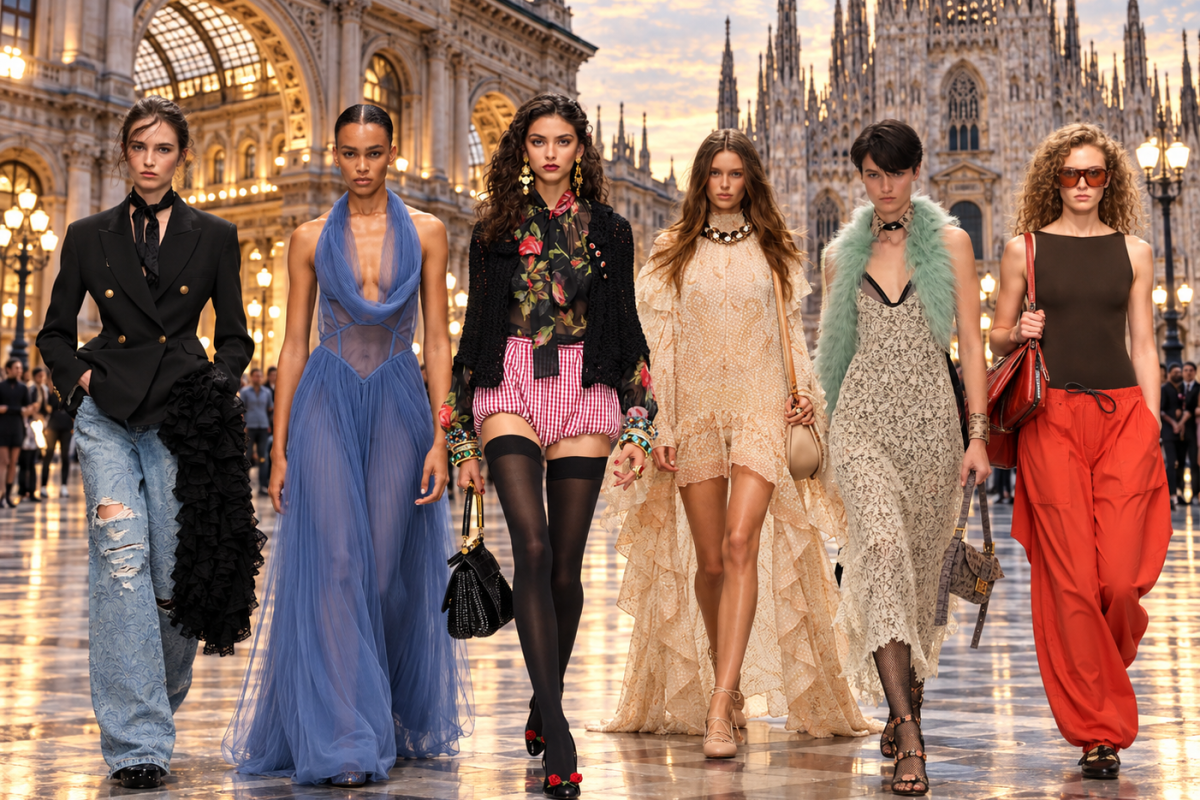
Milan Fashion Week Spring/Summer 2027 closes with a positive sentiment. Buyers speak of more concrete, recognizable, product-focused collections, while attendance was particularly high. Carla Cereda of Biffi highlights how consistent the proposals were with their respective maisons; Luigi D’Aniello describes a Milan full of energy and people, so much so that it reminded him of Design Week. Signals confirming that attention around Milanese fashion remains strong.

What emerges above all from the statements gathered by the trade press is a return to the reality of the store. Beppe Nugnes puts the garment and the client at the center: creativity and emotion must generate desire once the product reaches the boutique. Michele Franzese looks at the same point from another angle: the image attracts, but it is fabric, fit, workmanship and value for money that convince the customer.

Among the most appreciated collections, Prada stands out. Daniela Kraler sees the skirt as one of the strongest messages of the season; Federico Giglio credits Miuccia Prada and Raf Simons with consistency and new ideas on product, while Nugnes underlines their ability to make a familiar garment desirable again. D’Aniello considers it the most successful proposal in terms of concept, character and direction.

Praise also for Bottega Veneta, where a more concrete element appears: Cereda states that she intends to buy a lot from the maison, while Nugnes highlights the balance between craftsmanship, texture and lightness. It is not yet data on orders, but here appreciation is already accompanied by a commercial intention.

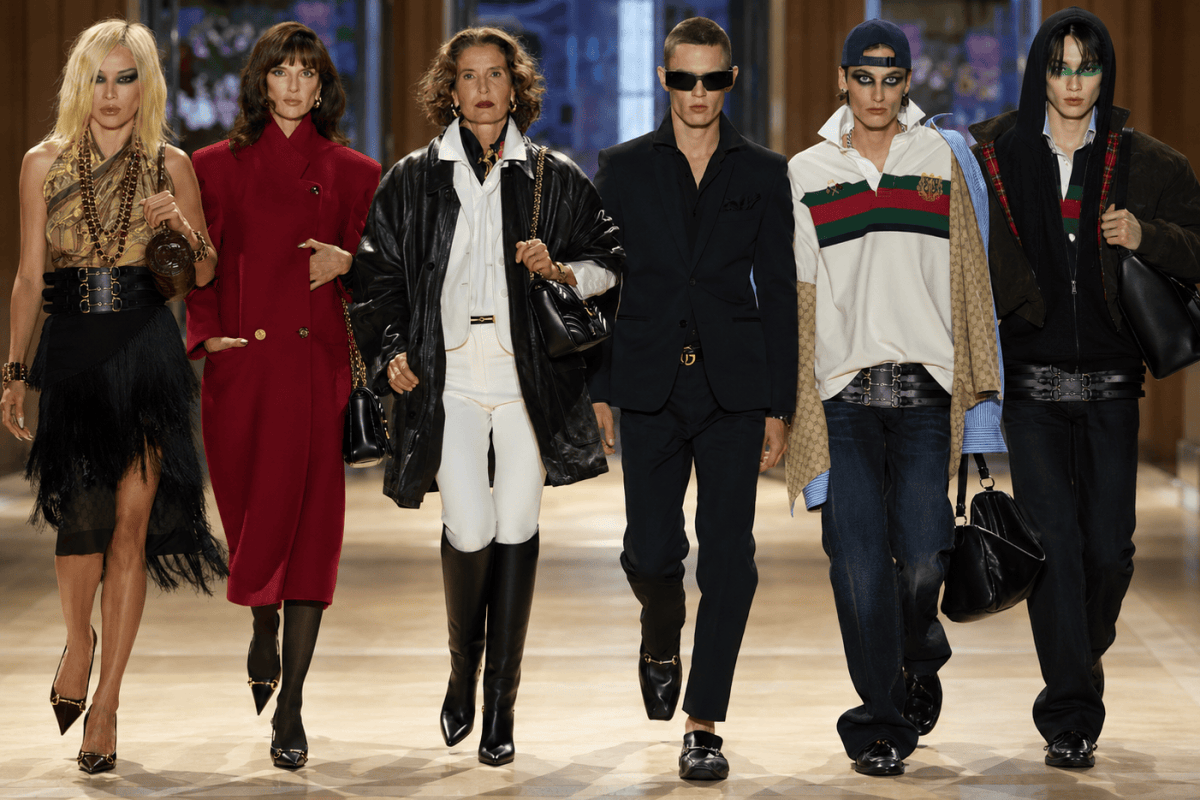
On Gucci, buyers express favorable opinions. Giglio sees a vision that Demna is progressively defining, Nugnes names Gucci as his favorite show, and Cereda includes it among the proposals that struck her most. These are their assessments and should be recorded as such. I have already expressed my own position on the maison’s new course: exaggerated proportions, extreme oversize, layering and reinterpretations of elements that already belong to Gucci’s history. My question therefore remains the same: beyond exasperation and reinterpretation, where is the new?

Fendi by Maria Grazia Chiuri convinces with its nod to the Seventies, its femininity and its balance between image, craftsmanship and product. Armani is appreciated for elegance and consistency, while Moschino and Max Mara win praise for their ability to reaffirm their presence. Among emerging designers, Franzese points to Francesco Murano and Marco Rambaldi, while reminding us that for a retailer creativity and quality must go hand in hand with production capacity, reliability and on-time delivery.

The picture coming out of Milan is therefore positive: audiences, attention, engaged buyers and greater concreteness. But it is precisely from these assessments that the question the market cares about arises: will this appreciation also translate into growth in orders compared with previous seasons?

Because appreciating and buying are not the same thing. In the first case, you recognize a collection’s potential; in the second, you commit budgets, choose quantities and take on commercial risk. At the moment we do not yet have an overall picture of Spring/Summer 2027 orders, especially international ones, while sales campaigns continue in the showrooms.

Fashion is creativity, image and communication, but it remains an industry. Buyers approve of Milan. Now all eyes turn to orders, to understand how much of this consensus will translate into market.



Discover more of Sara’s World

Sara Dal Monte

Sara Dal Monte
Digital Journalist | Photographer | Art Director
Los Angeles • Sure-Com America
Instagram
X
Facebook
Facebook 2
Facebook Page

GUCCI SS27: WHEN EXASPERATION BECOMES LANGUAGE

I swear I watched this show several times, because I wanted to understand where Demna wanted to take Gucci. In the end I found a key, and it is very clear: exasperation. Everything is pushed to the limit – proportions, volumes, the body, the very way an image is built. Knitwear becomes enormous and is worn by very thin boys; jackets either widen until they deform the figure or become tight, dry, almost constricting. In menswear especially, the body seems constantly corrected, shifted, diminished, as if the silhouette had to lose its balance in order to gain an identity.

And this is exactly where my problem with this collection begins. Because to exasperate means to bring something to a maximum level of tension, and after tension there necessarily comes a breaking point. Here, instead, I have the feeling that this tension has become the very language of the house, a grammar made of excess, deformation, citation, provocation, archive and constant contrasts, without it ever becoming fully clear what the point of arrival is.

Gucci comes from a different culture. It comes from precision, from construction, from an almost obsessive attention to detail, from leather, from accessories, from the ability to make a jacket, a bag or a shoe desirable without necessarily turning them into a statement. Demna takes this heritage and forces it, stretches it, shifts it, brings it into his own world. His signature is visible, very much so. But precisely because it is so visible, the question becomes inevitable: how much of Gucci remains, and how much are we simply watching Demna applied to Gucci?

In menswear the doubt is even stronger. I see a very young male figure, built almost on a single type of physique and attitude. Targeting that audience is fine – it would be absurd to deny it – but Gucci does not sell only to twenty-year-olds. It also sells to men of forty, fifty, sixty, to a client who may want to be contemporary without turning into a character. And here I struggle to understand where that man has gone.

Then comes the “family”: the boy, the girlfriend, the mother, the aunt, the older lady. I fully understand the desire to tell the story of a transversal brand, capable of crossing generations, but I keep asking myself what the story really is. Because if the common thread is simply taking different eras, different codes, archive pieces, Nineties sensuality, Seventies elements, Eighties volumes and putting them back together by deforming them, then we are not looking at a new vision: we are looking at a continuous reworking of what we have already seen.

I remain puzzled by the womenswear too. Sensuality is part of Gucci’s history and no one questions it, but there is sexy and sexy. There is a sensuality built on proportion, on cut, on a body that is suggested, and there is another that constantly needs to show itself. Here the second path is often chosen. It is a precise choice, but it does not always become elegance, at least not for me.

And so I return to the question I have been asking myself for some time: what are they trying to do with Gucci? Because this is not a small independent label that can afford to turn every collection into an act of protest or a conceptual exercise. This is Gucci. It is a global brand, with a history, a market, clients, investors and an evident problem of desirability to rebuild.

Destroying everything to see what happens next can also be a creative strategy. In fashion it has happened many times, and sometimes it has worked. But destruction alone is not a project. At some point you also have to build something the public wants to desire, wear, buy and recognize as new.


GALLERY


Discover more of Sara’s World

Sara Dal Monte

Sara Dal Monte
Digital Journalist | Photographer | Art Director
Los Angeles • Sure-Com America
Instagram
X
Facebook
Facebook 2
Facebook Page

LUXURY IS GROWING AGAIN BECAUSE IT WAS FORCED TO GO BACK TO DOING LUXURY

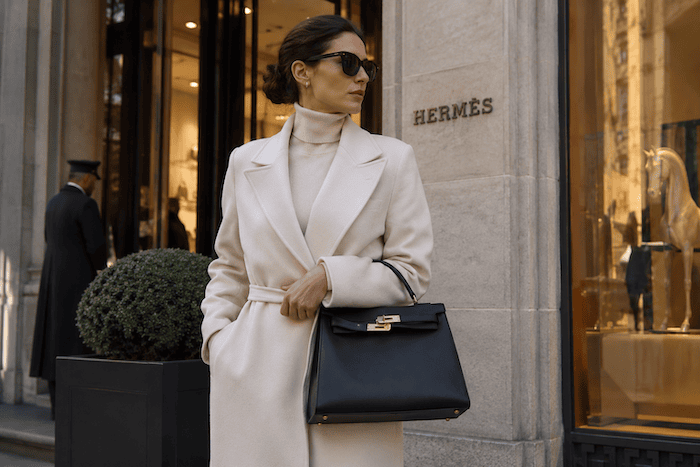
The luxury market is showing some signs of growth again. We are certainly not back to the years immediately after the pandemic, when it seemed everything could rise without limits, but something is moving. LVMH is growing, Hermès keeps showing above-average solidity, and even Kering, after complicated years especially for Gucci, shows some signs of recovery.

The interesting thing, however, is not only the economic data. It is what is happening behind those numbers. Luxury is growing again because, in some way, it has been forced to go back to doing its job. To do luxury.

For some years an important part of the sector probably believed that brand strength, accompanied by continuous price increases, was enough to keep the attraction to the product intact. It didn’t work out that way. Consumers, even those with great spending power, at some point look again at what they buy and ask whether what is in front of them still holds that quality and that culture of the product that built the very meaning of luxury over time.

And perhaps this is exactly where something was lost in recent years. The constant pursuit of provocation and the need to amaze at all costs have often pushed fashion away from one of its fundamental tasks: creating beauty. Of course beauty doesn’t mean conformity. Fashion has always needed to question what exists, but it is one thing to do so because you have something new to say, another to demolish what was there just to attract attention. And the public, sooner or later, perceives this difference.

The same goes for price. For too long people thought that raising it automatically meant raising positioning too, but the value of a maison doesn’t come from a price tag. It is built over time, through what it produces and the consistency with which it keeps its identity. When price becomes the main tool for declaring exclusivity, the mechanism sooner or later breaks.

It is significant that right now many groups are returning to invest with greater care in creative direction and product. The new appointments at the maisons are not just changes of people: they are a sign that the sector needs to rediscover its own creative strength and interpret the present without disowning what made it important. In other words, fashion is once again in need of fashion.

The renewed attention to the so-called aspirational customer also tells us something. In recent years that segment of the public was progressively pushed out of the market by very significant increases; today we realize it was not marginal at all, but represented an important part of the sector’s balance. This doesn’t mean luxury must become popular; it means it must once again make evident, through what it offers, why it occupies a different position.

True exclusivity doesn’t come from making an object simply unreachable, but from that object truly having something that sets it apart.

We probably won’t return to the double-digit growth of the post-Covid years, and perhaps that’s for the best. That was an exceptional condition. The phase opening now could be far more selective and interesting, because it will force brands to win back the market by demonstrating their value again, in practice.

Before constantly inventing something new, luxury must go back to being credible in what it has always claimed to be.


Discover more of Sara’s World

Sara Dal Monte

Sara Dal Monte
Digital Journalist | Photographer | Art Director
Los Angeles • Sure-Com America
Instagram
X
Facebook
Facebook 2
Facebook Page

NOTES FROM THE SILENCE


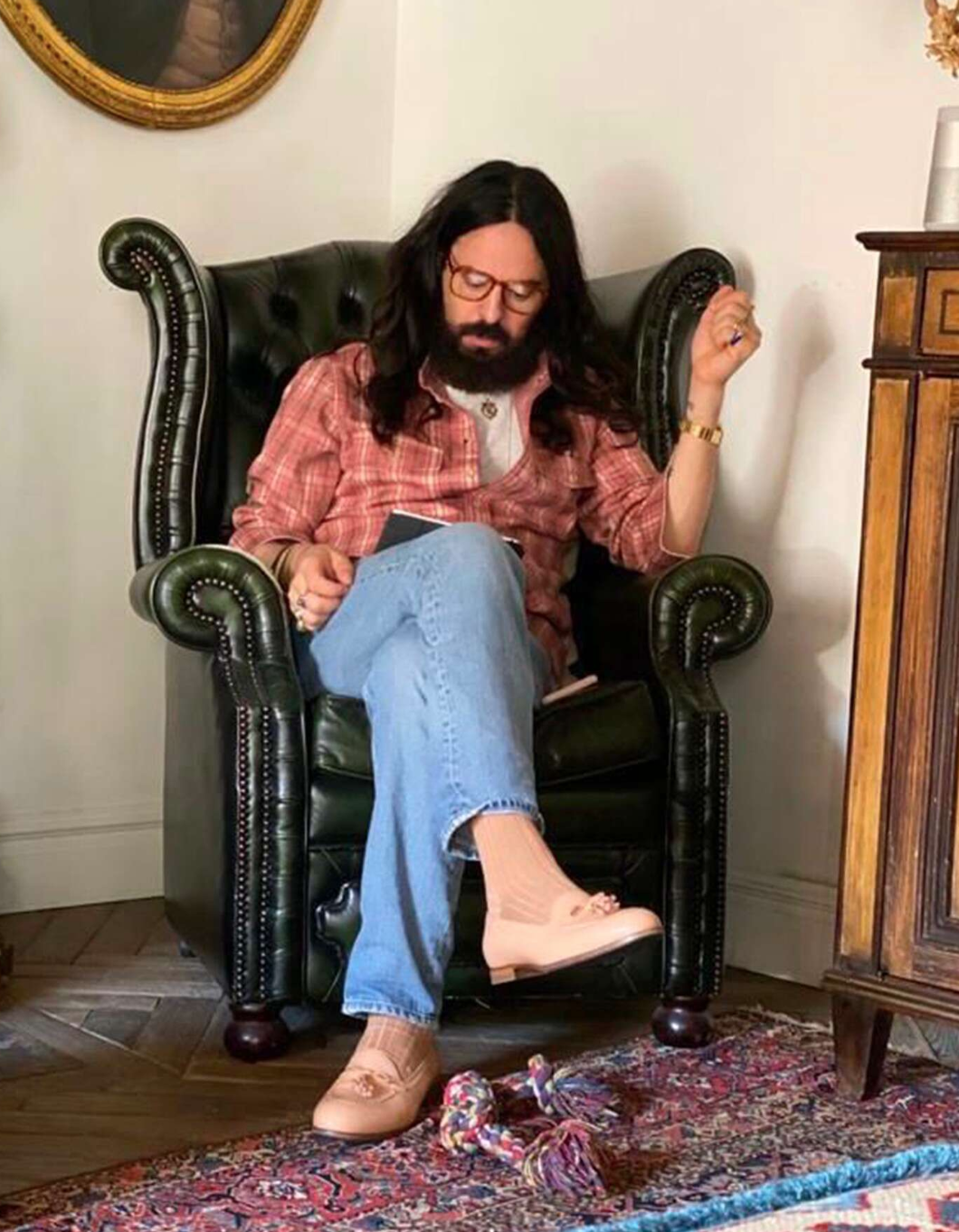
With deep sincerity, the Creative Director Alessandro Michele shares with the Gucci

Community the pages written in his home in Rome during the last few months.


ROME MARCH 29, 2020 -‐ WE HAVE DISCOVERED SMALL THINGS

In these days of confinement, in a suspended time that we struggle to imagine free, I try to ask myself about the meaning of my actions. It is a vital and urgent question for me, which forces me to listen subtly, to stop carefully. It is the attempt to name, with the precision of love, my fears and my desires. It is the opportunity to challenge the aphasia that every trauma imposes. After all, the tragedy we are experiencing is opening up new spaces for reflection. We could never have imagined that we could feel so tied to life by a bond of tremor and excruciating tenderness. We could never have thought of recontacting, in such a profound way, the fragility of our creatural destiny. Our need for reciprocity. We found out little thing. A miracle of nothing. Above all, we understood that we had gone oversized. Our unscrupulous actions set fire to the house we live in. We believed ourselves to be other than nature, more clever and omnipotent. We have tamed, dominated and injured her. We unleashed Prometheus, and buried Pan. How much arrogance has made us lose our sisterhood with butterflies, flowers, trees and roots. How much unscrupulous greed has made us lose understanding and care, connection and belonging. We earthquake the sacredness of life, forget about our being species. In the end, we lost our breath.


ROME APRIL 7, 2020 – ON WHAT WE WOULD NOT LIKE TO COME BACK EQUAL

Today that the devastation has found us unprepared, we must be able to reflect on what we would not like to return the same. Because the biggest risk, for our tomorrow, is to abdicate any real and necessary discontinuity. Unfortunately, our history is studded with crises that have taught us nothing. Of economic collapses and social devastations that have been faced by imposing the same recipes that had generated them. Of wounds that have not had the ability to regenerate thought. Of mourning that we have not been able to live to change ourselves and our relationships. This crisis therefore represents a fundamental test case. Try in the sense of pain, fatigue, danger. But also in the sense of evaluation and judgment. Because it is precisely in pain that we have the opportunity to look critically at our recent past. To the list of debts, misunderstandings, out of tune, errors. To missteps and unconsciousness. The deafening lack of thoughts that we didn’t have the courage to formulate. This present therefore gives each of us important responsibilities. Everyone can exercise them, with respect to their role and their actions, to contribute to a constellation of molecular and widespread changes. In my own small way, I urgently feel the need to change many things in my job. After all, the inclination to change has always characterized my professional life, marking it with a natural and joyful creative restlessness. But this crisis is as if it had amplified this transformative urgency, making it no longer deferrable.


ROME APRIL 27, 2020 – THE MOTIVE OF A CHOICE

The change that I imagine first of all passes through the ability to recontact the deeper reasons that pushed me to enter the world of fashion. I feel the need to renew a pact, purifying the essential from the superfluous. I feel the need to come back, in an authentic way, to the motive for a choice. For that set of reasons that built my going. Over time, I understood that these motifs have different names and intensities, but they all fatally gather around the same urgency: the possibility of telling. It is this possibility, so ancestral and powerful, that has always allowed me to build expressive passages, to give space to that inexpressible nucleus that agitates my dreams, to celebrate the nostalgia of imperfection, to pay homage to the beauty that blooms in form in shape. It is this possibility that allows me to grasp, with infinite bites, the daily love of existence.


GUCCI

Alessandro Michele

GUCCI LAUNCHES THE HIGH LINE OF JEWELRY


image

GUCCI

HORTUS DELICIARUM IS SHOWN IN A NEW PARIS BOUTIQUE IN PLACE VENDÔME


Gucci’s bringing some sparkle to Paris’s 1st arrondissement with the brand’s first foray into the world of high jewelry.

The new Hortus Deliciarum line, which is influenced by the colorful and multi-faceted visions of Alessandro Michele, contains over 200 pieces (many of them one-of-a-kind). The collection’s inspiration stems from interpretations surrounding the mythical gardens of Eden, Arcadia, and Xanadu, while also drawing from the organic hues and symbolism of nature.

GUCCI

imageGUCCI

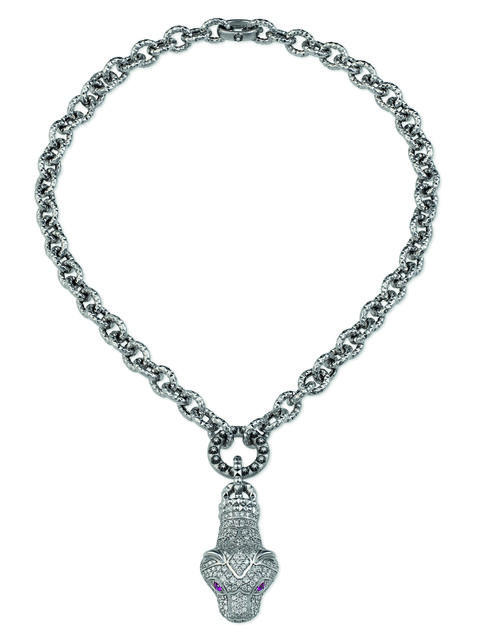
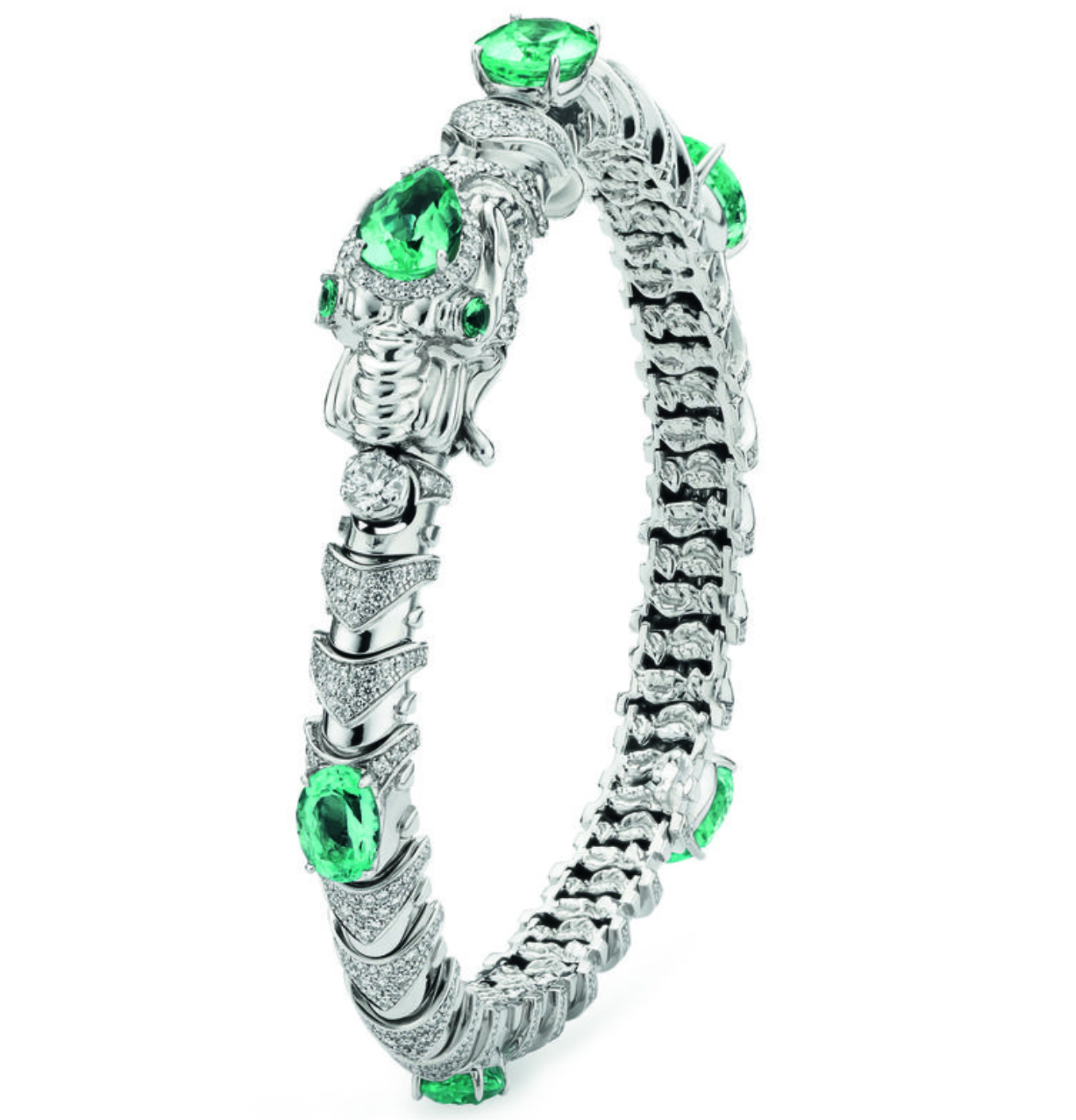
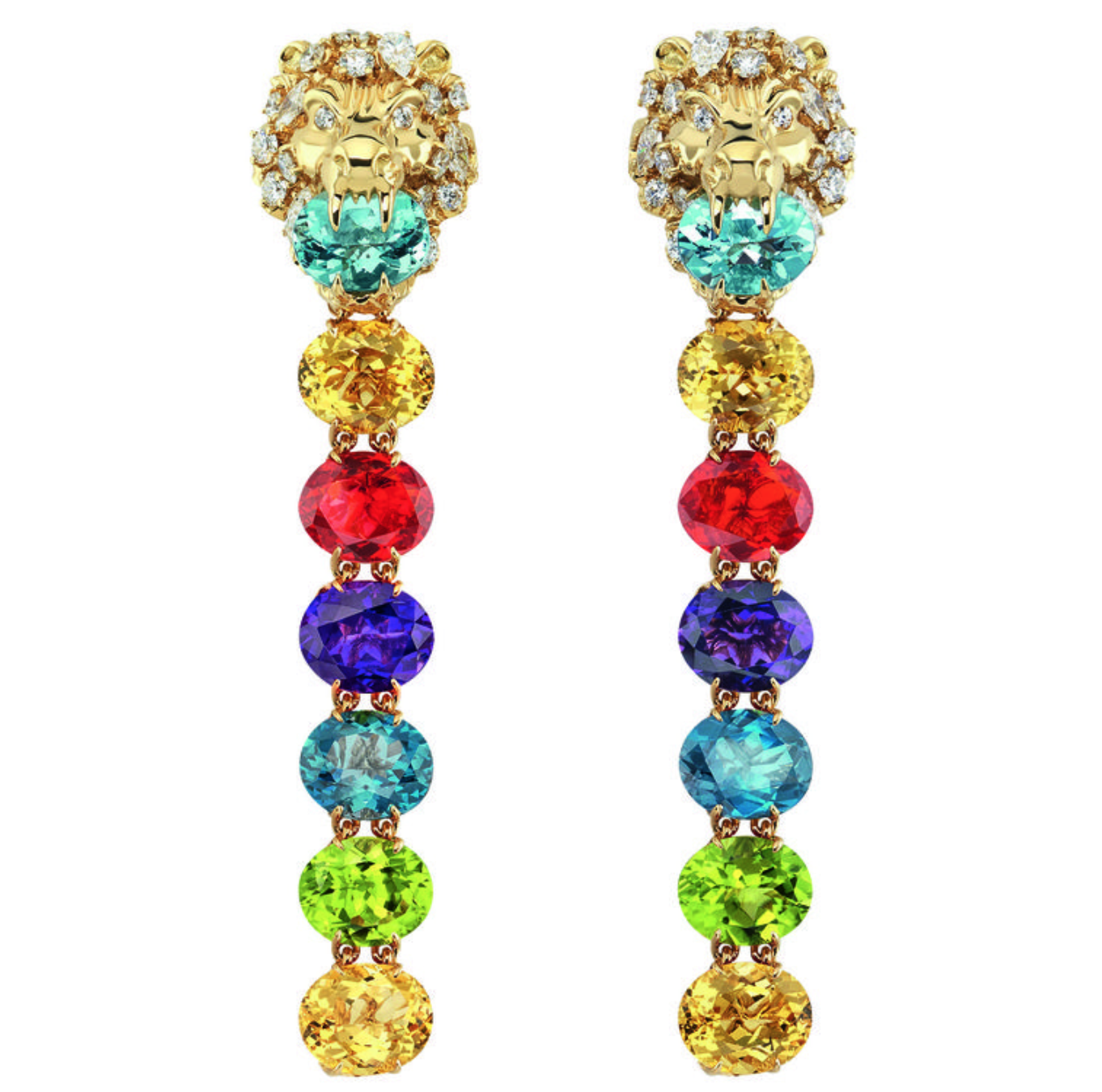
Three primary themes guide the narrative of Hortus Deliciarum: eternal love, the animal kingdom, and solitaires. Tiger, lion, and Ouroboros serpent iconography make appearances alongside pink and blue sapphires, white diamonds, yellow beryls, mandarin garnets, honey-colored topaz, pearlescent opals, and glittering aquamarines. According to Michele, the gemstones are purposefully mismatched in honor of the spirit of imperfection, therefore creating a sense of “dis-cordant symmetry.” Gucci also pulled from a variety of opulent, historical artistic movements, such as Rococo, Baroque, and Georgian, to cultivate a sense of luxury and refinement in every brooch, necklace, and ring. The collection is an ode not only to Gucci’s rich history of imagery and ingenuity, but also Michele’s uninhibited maximalist aesthetic and inventiveness.

GUCCI

GUCCI

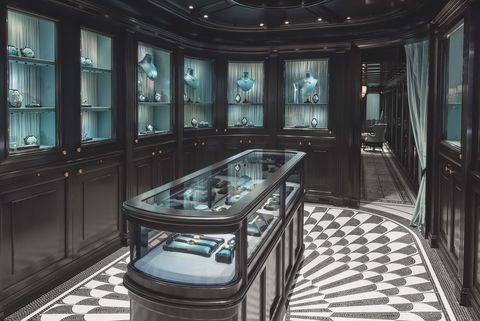
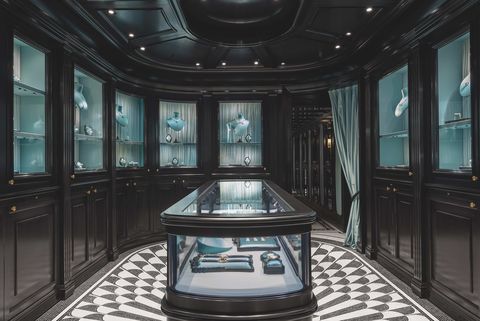
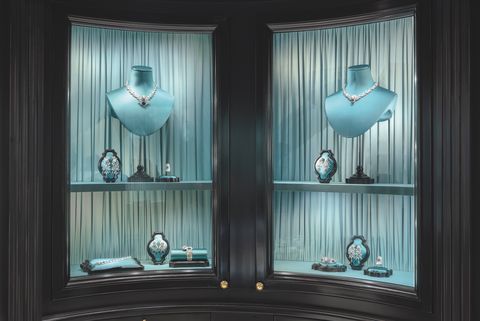
The line will be sold at a brand new 16 Place Vendôme location, which situates the boutique amongst some of the finest jewelry retailers in the world. The interior of the store exudes a muted, old-Hollywood sort of glam: dark-panelled wooden display cases are paired with luxurious, turquoise green satin upholstery, which allows the color palette of the jewels to speak for itself.

image

INTERIOR OF GUCCI’S NEW BOUTIQUE

GUCCI
image
GUCCI

Along with creating the covetable collection of high jewelry, Gucci has committed itself to responsibly sourcing the gold it utilizes. Additionally, many of the materials used in Gucci’s collection are ethically sourced with the aid of initiatives such as the Kimberly Process and the Kering Responsible Gold Framework, which strive to combat corruption and inequality in the mineral mining industry, underscoring the fact that luxury doesn’t have to be at an environmental and social cost.

GUCCI

Gucci Hortus Deliciarum high jewelry is now available at the 16 Place Vendôme boutique.


Sara Dal Monte

          facebook_318-136394     Schermata-2017/01/16-Alle-21-05-12