HOLLYWOOD AND FASHION: WHY ACTRESSES ARE THE NEW FACES OF LUXURY

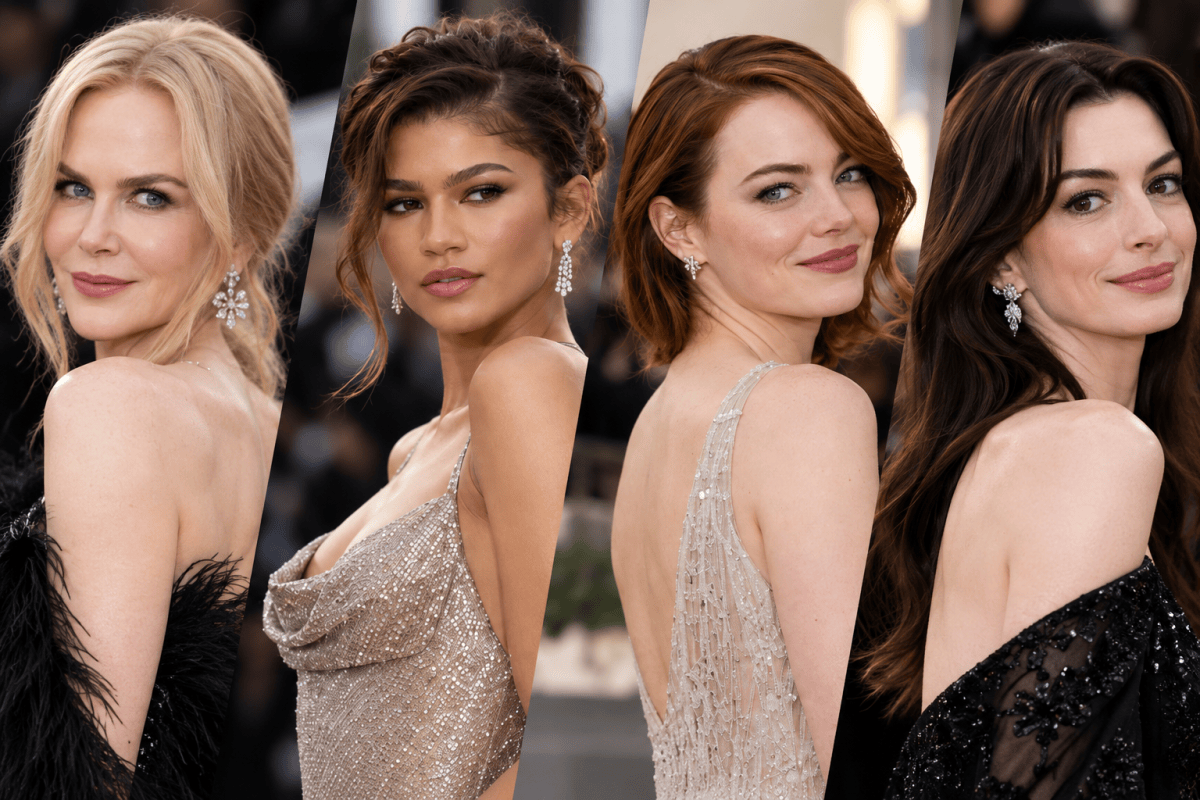
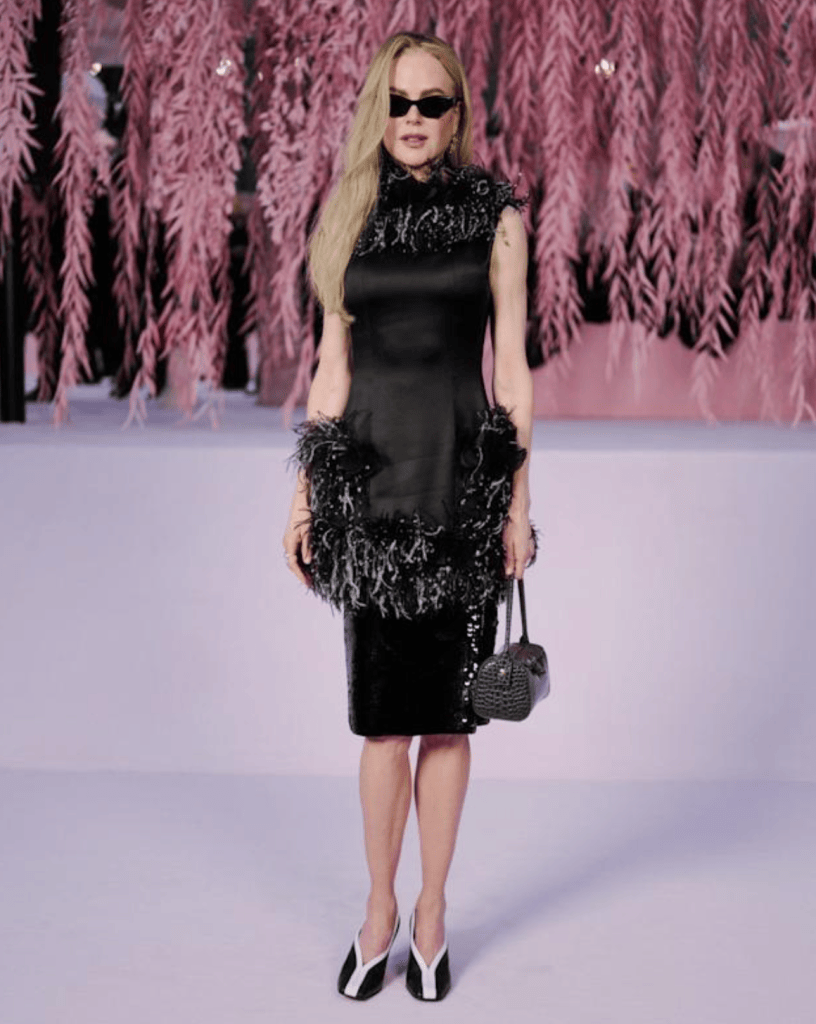
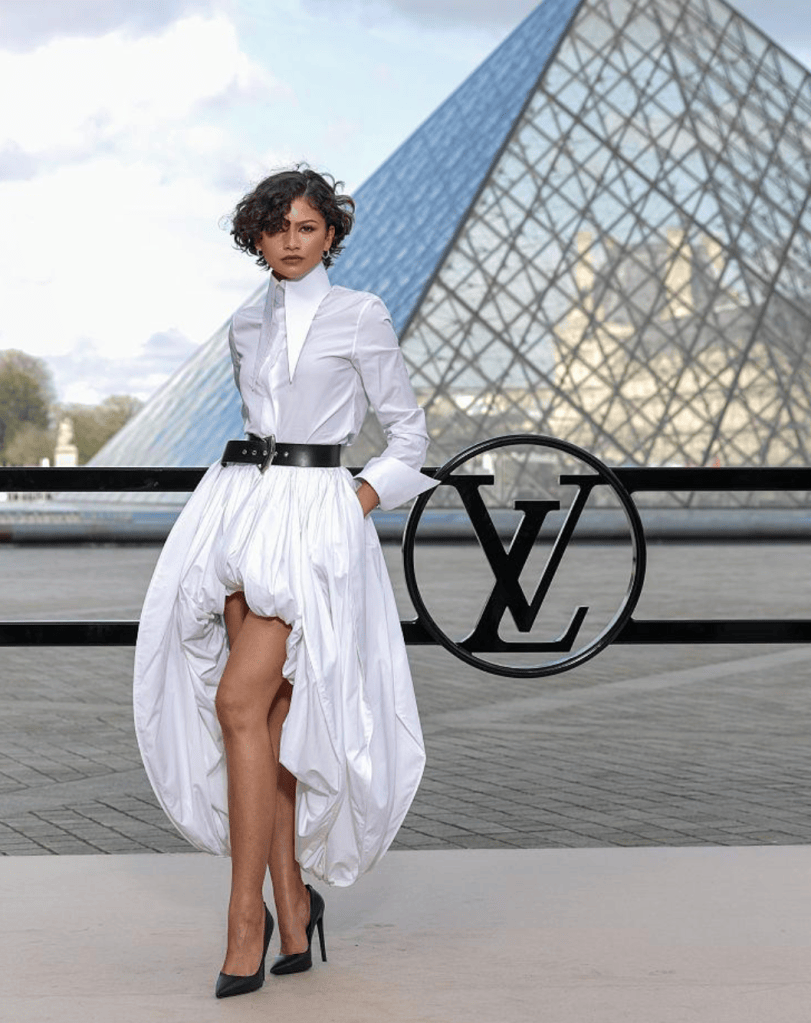
Something caught my attention while looking through the photos from the latest fashion shows in Paris. I recognized Nicole Kidman, Zendaya and Emma Stone immediately, but I had to look twice to remember which collections they were attending. It made me smile, because I follow fashion closely, and yet the celebrities had caught my attention before the clothes.

Here in Los Angeles, we’re used to seeing movie stars associated with major fashion houses. What feels different now is the sheer number of them. They’re sitting front row in Paris, Milan, London and New York, appearing in campaigns and attending events that sometimes seem designed around their presence.

A few years ago, everyone wanted influencers. A large Instagram following could open almost any door in fashion. They’re still part of the picture, but I feel the excitement around them has faded a little. Movie stars have something different to offer. Nicole Kidman has a career that spans decades, Emma Stone has earned enormous respect for her performances, and Zendaya has developed a fashion identity that people genuinely enjoy following.

I can see why designers want them at their shows. What I find more interesting is why the luxury houses seem to need this kind of attention so much.

I’ve loved fashion for years, and I still enjoy walking into a beautiful boutique to see the clothes up close. But lately, some prices have genuinely surprised me. I can appreciate the cut of a jacket, the fabric and the work involved in making it, while still wondering whether I would ever pay that much for it. And I suspect quite a few women feel the same way.

Luxury brands know their customers are thinking more carefully about purchases. When an actress wears one of their designs, the conversation moves away from the price and toward the person wearing it. Suddenly we’re talking about Zendaya’s appearance or Nicole Kidman’s style. The clothes become part of a much bigger story.

There’s nothing wrong with that. Fashion and cinema have shared a close relationship for generations, and some of my favorite red carpet moments have come from it. I just hope we don’t reach a point where the guest list matters more than the collection.

I would rather remember a beautiful dress because of its design than because someone famous happened to wear it.

Looking at all those front-row photographs from Los Angeles, I keep coming back to one thought. We know what Hollywood gets from fashion. I’m beginning to think fashion might be getting even more from Hollywood.


FROM PARIS FRONT ROW TO THE RED CARPET: WHAT SPRING-SUMMER 2027 TELLS US ABOUT HOLLYWOOD

From Los Angeles, I watch the European shows with one constant question: what will we actually see on the red carpet? The Spring-Summer 2027 collections, from Milan to Paris, answer with a more relaxed femininity: light fabrics, new proportions, a sensuality that stops shouting.

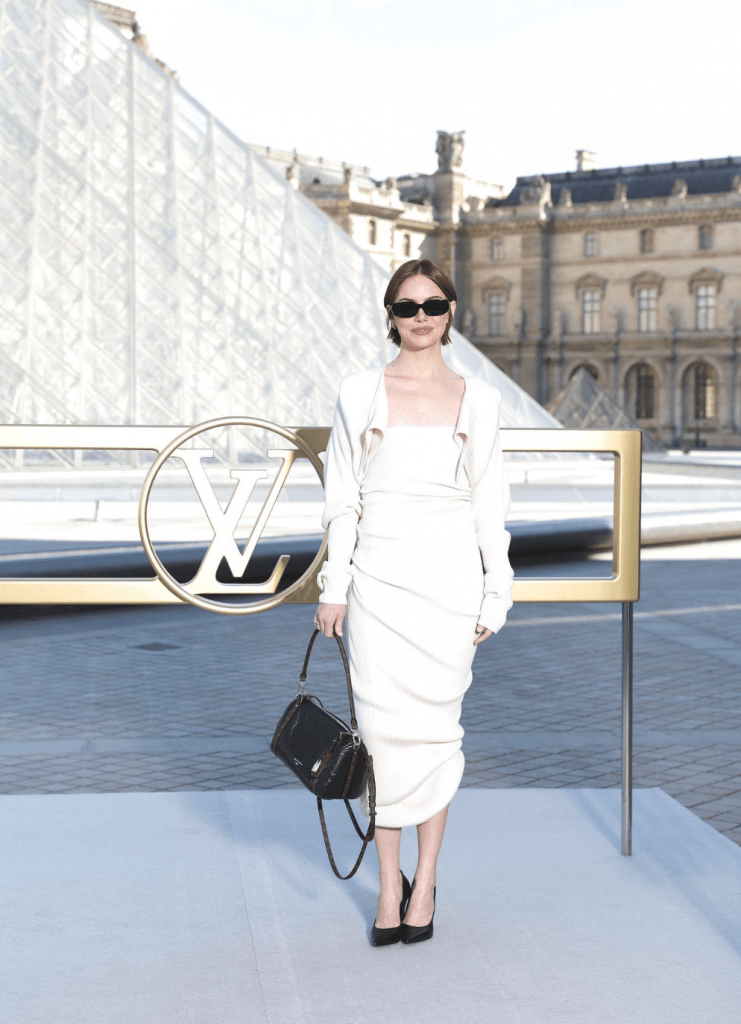
On October 5, at the Grand Palais, Nicole Kidman lent her voice to the Chanel show, reading passages from Virginia Woolf’s Orlando, while Matthieu Blazy presented the collection in front of Dua Lipa and Pedro Pascal. The next day, at the Louvre, Louis Vuitton gathered Zendaya, Emma Stone and Catherine Deneuve. Zendaya wore jeans and the white lace jacket she had already chosen for the Paris premiere of The Odyssey: proof that fashion and cinema keep watching, and borrowing from, each other.

The Return of the Skirt

At Prada the skirt is back in the spotlight: long, short, pleated or sheer. Miu Miu, Dior and Chanel followed, and Olivia Colman walked for Miu Miu in a black leather suit. I love a statement skirt with a man’s shirt or a tailored jacket. On red carpets, where long gowns end up looking alike, it would be a breath of fresh air.

Lightness and Sensuality

At Dior, Jonathan Anderson works with chiffon, organza and tulle in soft pink and pale blue; Blazy makes Chanel’s tweed softer and stretchier. These are clothes that follow the body without confining it, and after hours in front of photographers, you feel the difference.

Sheer fabrics stay, but the measure changes. Haider Ackermann, at Tom Ford, plays with proportion; Prada and Zimmermann use slits and light fabrics to suggest the body in motion. After so many seasons of naked dresses, I prefer a sensuality built on cut and materials, not on inches of bare skin.

The Great Houses Change Face

Blazy at Chanel, Anderson at Dior, Ackermann at Tom Ford: three different sensibilities taking on historic houses. Anthony Vaccarello, at Saint Laurent, relaunched the house’s tradition with huge golden chandeliers at the Trocadéro, carrying the gold onto the clothes as well. How much will all this weigh on the actresses’ choices? Kidman and Zendaya, from different generations, show that you can experiment and still stay recognizable.

From Paris to Hollywood

In the coming months we will see what really makes it to the red carpets of Los Angeles. I hope for more tailored skirts, fluid fabrics and less provocative sheers. A dress is beautiful on the runway, but it becomes style only when it meets the personality of the woman wearing it. That is what I look for, in Paris as in Hollywood.