

Sara Dal Monte

Follow me on FB.
My dreams are always current
Sara Dal Monte
Follow me on FB.


Now that the weather is cooling down it’s time to bring out your coziest clothes. Even if it’s hot during the day, the air is getting crisper and cooler in the evening. For those days, nights and times when I’m sick – like now 😦 – an immediate go-to is a hoodie. Hats also get thrown into the mix because not only do they keep your head warm and are an instant fix to a bad hair day, they are also super cute and based on the style allow your personality shine.
I love beanies and baseball caps. They’re a little urban and a whole lot of edge. But, this season there are tons of styles topping must-have lists. And the same goes for hoodies. I like to stick with darker shades to show my fierce side, however the array of colors and styles are plentiful – so wear what you’re confident in! To get you pumped for the coolest of casual clothes, here are my picks for the season and a few tips on how to rock the look.

As you can tell, I’m a sucker for black this season. Black pairs with just about anything you wear – especially this time of year when dark shades are top of mind. If you think hats don’t look good on you, you’re wrong. There are so many styles, the trick is finding the fit and feel that’s right for you. If a baseball cap is too sporty or makes your ears peek out from your hair, try a fedora or panama hat. If you’re a last-minute morning kid of girl, a beanie will be your best friend when deciding what to wear to school.
Then there are hoodies, one of the most underrated pieces in your wardrobe. Depending on the cut, color and style your entire look can change. A looser fit creates a relaxed feel, while fitted hoodies can be worn with heels and rolled skinnies for a more sophisticated twist. Bold colors are always welcome when it comes to a nice hoodie, but if you want to go the sophistication route (even when wearing a sportier top), stick with white, grey and black.
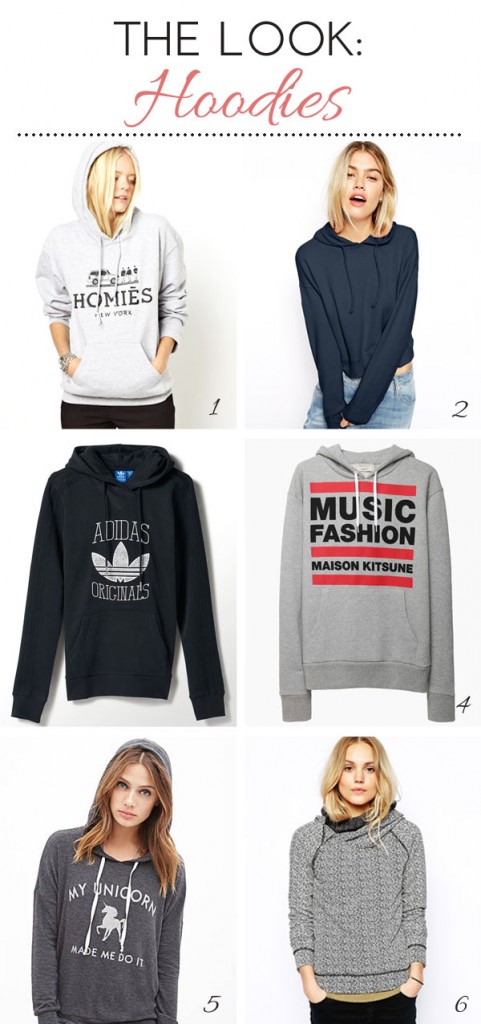
Do you wear hats and hoodies? What styles do you like best?
❤ Mish
Sara Dal Monte
Follow me on FB.


Sara Dal Monte
Follow me on FB.


Sara Dal Monte
Follow me on FB.


Here’s a history lesson for you: we got denim and chambray from the French. It’s believed that chambray fabric originated from Cambrai in France in 1595, and although it can be dyed into different colors, its most common iteration is blue from indigo dye. Denim fabric came from the French town of Nimes. (Get it?) The California Gold Rush saw the popularization of denim dungarees (A.K.A. jeans), and chambray shirts became standard-issue uniform tops for the U.S. Navy through World War II. And thus classics were born.
Today, blue is typically voted as the number one favorite color in the world, fifty-three percent of flags in the world contain blue, and everyone from Kate Middleton to your mom has worn chambray and denim at some point. But more than anything, we especially love it when ladies turn what used to be primarily menswear into something more than just “borrowed from the boys.” Check out our collage of women pairing chambray and denim into dozens of unique looks.

Sara Dal Monte
Follow me on FB.


Sara Dal Monte
Follow me on FB.


Friday night, the Celebrating Monogram Iconoclasts and the guests of an exclusive celebratory dinner will be invited into the portrait studio of photographer Patrick Demarchelier for a live Instagram shoot.


Sara Dal Monte
Follow me on FB.

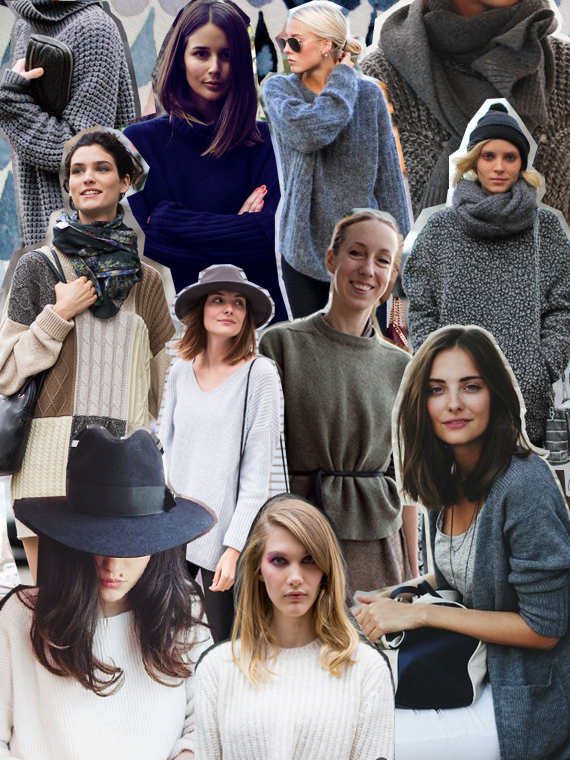
Now that you’ve stocked up your sweater collection, you need to keep those precious investments alive and looking great. The last thing anyone wants to be caught dead in is a pilling, sloppy mess. Keep reading for eight of our sweater care tips.
Sara Dal Monte
Follow me on FB.


Sara Dal Monte
Follow me on FB.

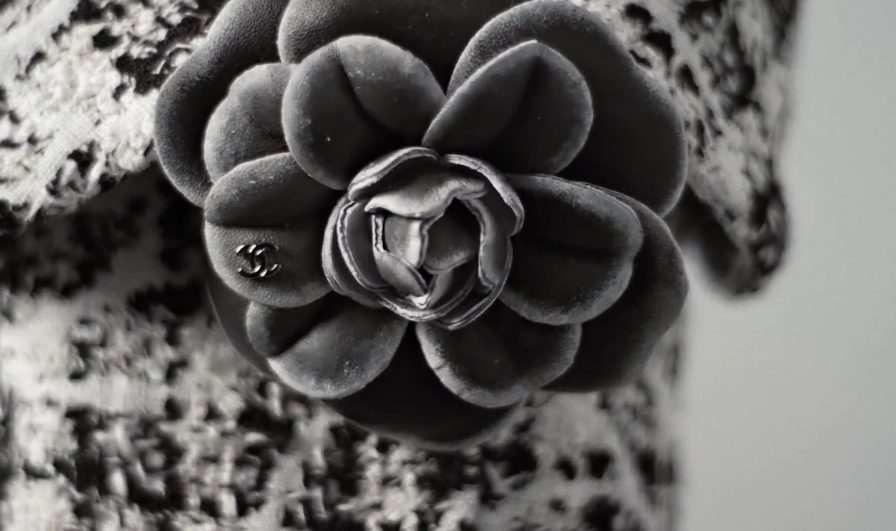
Not only do I love an intimate behind the scenes look at how things are created, especially in the fashion industry which seems so decadent and closely guarded, I am seemingly captivated by the world that is Chanel.
Set against an orchestral score composed by Gabriel Yared, the precise details and complex artistry of theHouse of Chanel, as seen and collected by Trevor Undi, all collide in this stunning mini-epic short film.
If you have a few minutes, let it intrigue you and sweep you into that illusory place.


Sara Dal Monte
Follow me on FB.

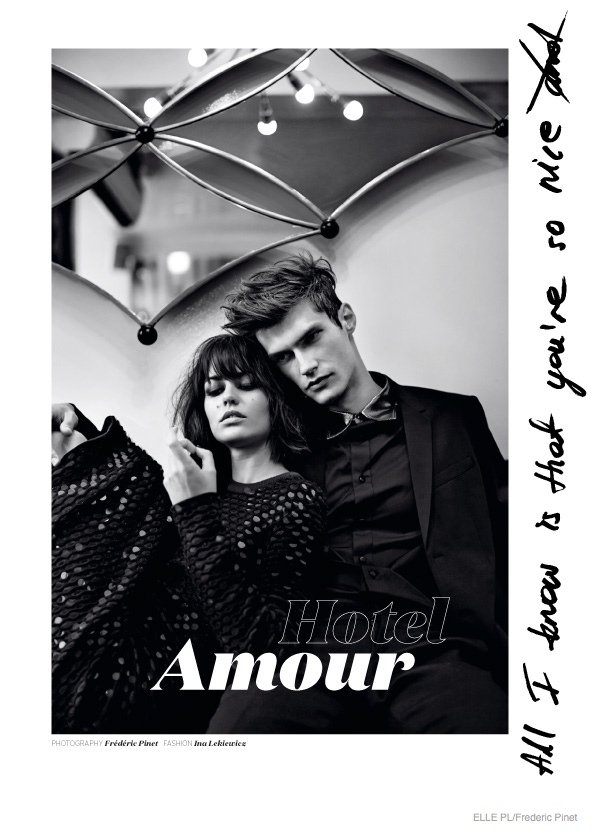
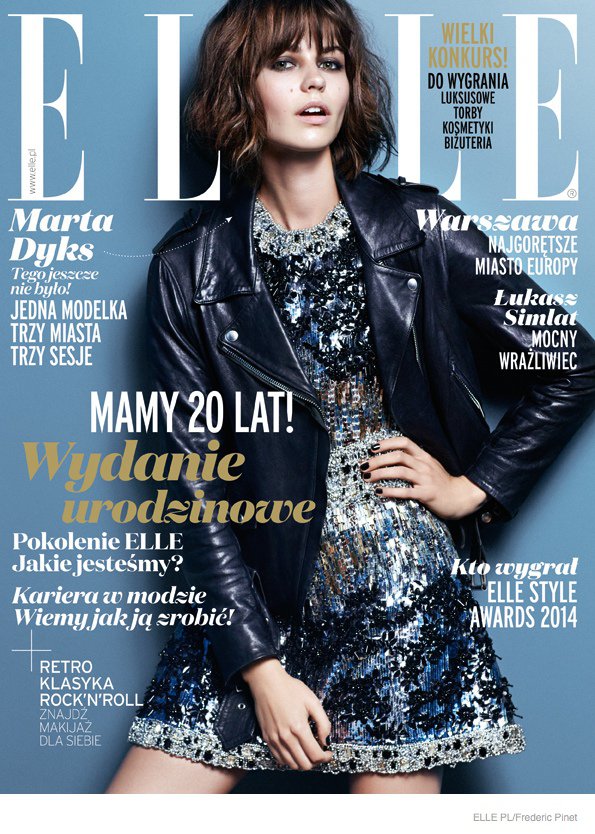
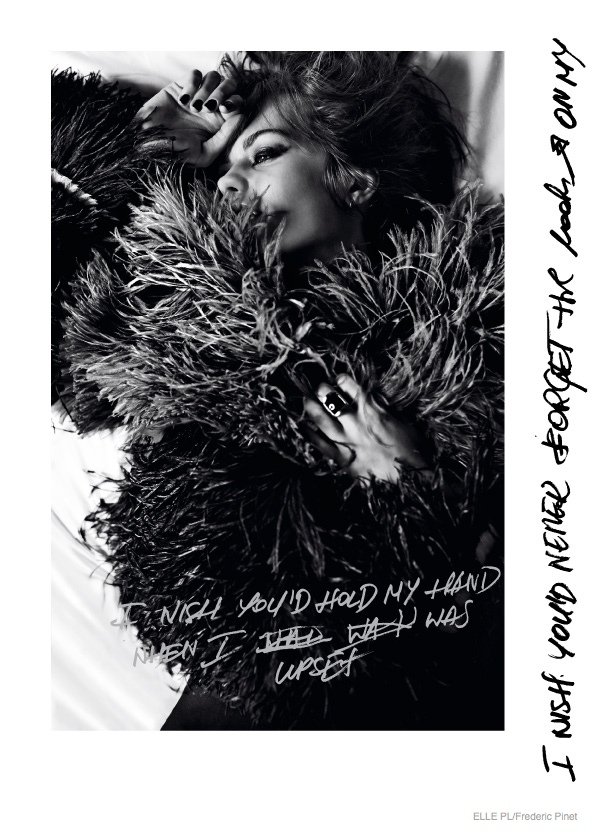
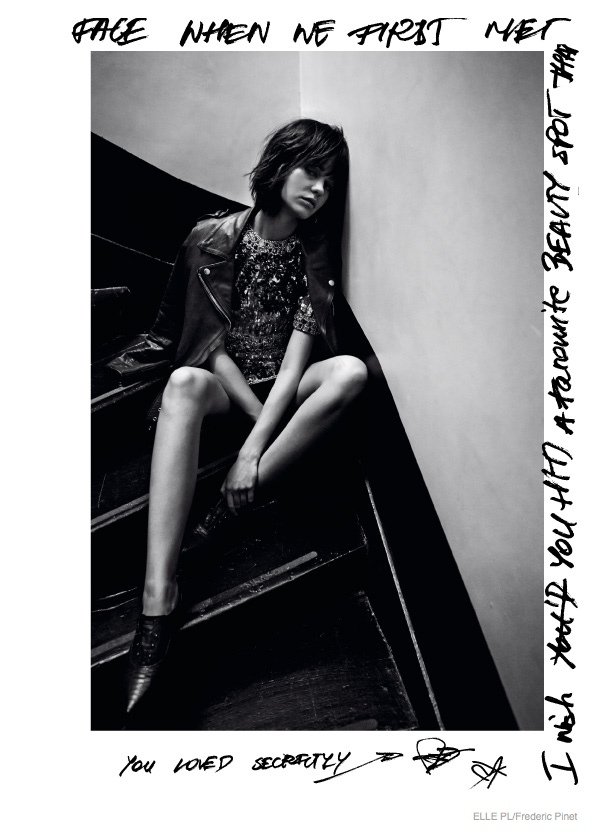
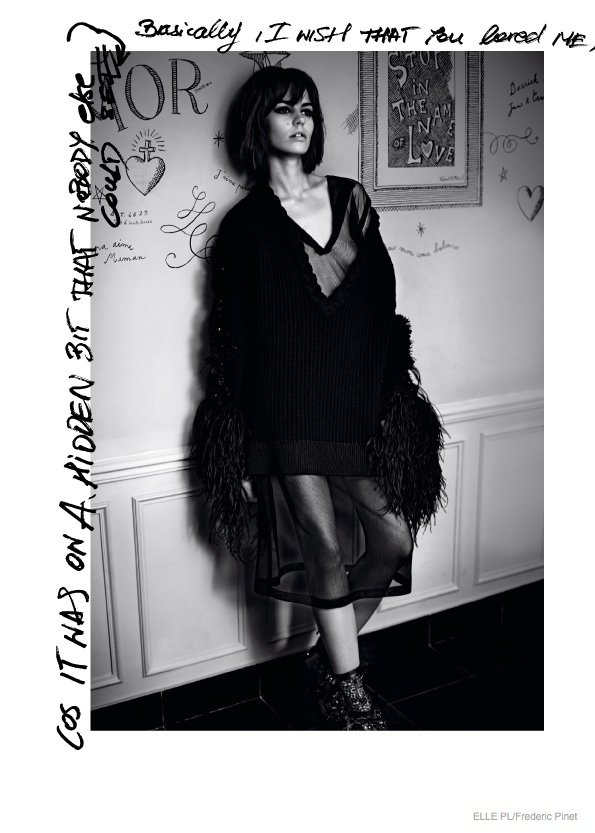
Hotel Love–Landing the November 2014 cover story from Elle Poland, model Marta Dyks impresses in a rock and roll inspired shoot where she gets to cozy up to her real life boyfriend Borys Starosz. Photographed by Frederic Pinet and styled by Ina Lekiewicz, the brunette does her best Joan Jett impression in designer looks from labels such as Dries Van Noten, Balenciaga and Givenchy. /Makeup by Marianna Yurkiewicz, Hair by Leslie Thibauld

Sara Dal Monte
Follow me on FB.

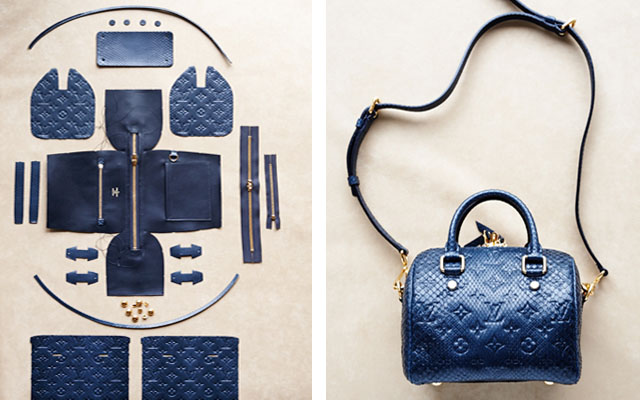
It may be the Diyer in me but I loved seeing this fabulous bag deconstructed and all the elements compartmentalized into pieces and getting a sneak peek into the process it takes to become its destiny 
The Louis Vuitton monogram has been graffiti’d, Murakami’d, embroidered, fringed, cut, pasted, and collaged in a myriad of fabrics, styles, and eye-popping treatments.
This season, the latest LV must-have speaks its must-haveness at a lower decibel than some of its forebears as the brand emphasizes quality and craft. Take, for example, the new Speedy bag in python, a paragon of handbag production that requires over 400 technical maneuvers in fabrication to realize. The most challenging aspect being, that while each python hide measures up to 8 meters long, they are not very wide, so several skins must be “matched” to obtain perfect symmetry and even coloring. It’s the kind of unparalleled attention to detail that makes an LV an LV.
Source: ANATOMY OF A BAG: LOUIS VUITTON, In an ongoing series, they deconstruct the world’s most iconic accessories to tell their stories. This is the Louis Vuitton Speedy bag in embossed python, $6,500.00.


Sara Dal Monte
Follow me on FB.

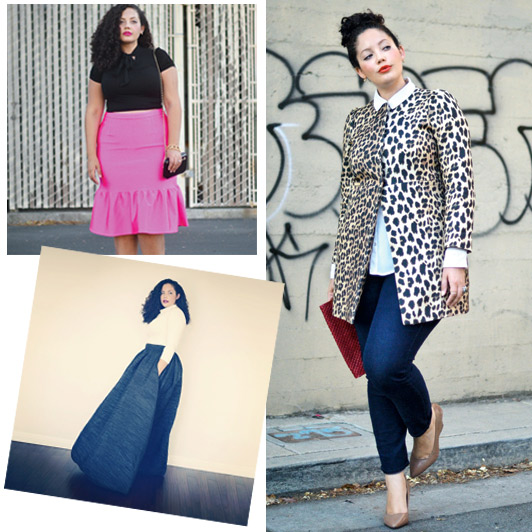
Tanesha Awasthi, 32, San Francisco: “I started off just posting images of my everyday outfits.”
Meet the chic and style-savvy ‘fatshion’ bloggers who embrace their curvy figures, inspire other plus-size women – and are starting to win over the mainstream fashion world
Two years ago the American fashion blogger Gabi Gregg, 27, posted a picture of herself on her style diary, gabifresh.com, wearing a bikini. The post was written about everywhere, from Teen Vogue to the New York Post. It culminated in an appearance on the American television show Today, in which Gregg was asked to explain her decision to put the picture online. Why? Because she is a size 20, and, along with an increasing number of her fashion-hungry plus-size peers, she has had enough of hiding.
Her “fatkini” post (as she calls it) led to a contract designing bikinis for the American company Swimsuits For All , and a column for American InStyle. Now she has set up her own plus-size clothing line. Gregg is often cited as an inspiration by her peers, who aim to prove that, when it comes to style, size doesn’t matter.
“I knew it would be empowering for women to see a plus-size girl proudly wearing a two-piece,” Gregg says from her home in Los Angeles. While some commenters accused her of being unhealthy – or not fat enough – most responses were positive. “People told me that I’d made them feel it was OK to go to the beach again. Who knew something so simple could be so life-changing?”
The internet provides a space for plus-size bloggers to represent women they feel are ignored by mainstream media. “If it weren’t for ‘fatshion’ blogging, there’d be no images of fat women looking cool and wearing clothes anywhere,” says the LondonerBethany Rutter , 24, of the blog Arched Eyebrow. She thinks Adele falls into the “safe, pretty fat girl” category and that Lena Dunham is not plus size as she can wear “legitimate designer” or “straight size”, as plus-size bloggers often call it.
The Californian Amanda Allison, 28, of the blog Fashion, Love & Martinis , says, “The first time I saw a post by a blogger who had my body shape I broke into the happiest tears of my life. I could finally relate to an image of a woman’s body in the media.” Allison started blogging as an outlet for documenting her struggles with weight. “My early posts were laced with self-hate, but the more plus-size fashion blogs I read, the more I grew to love myself.” Her video series Inside the Dressing Room, in which she shares how clothes fit – or don’t fit – her size-24 form, has more than 22,000 subscribers, a fact she puts down to her body positivity.
A large part of the appeal of these blogs is that they provide a service, scouring stores and websites for clothes that fit and flatter. Few high-street stores or designer brands stock sizes larger than 16, even though that is the average British dress size – but these bloggers rate Simply Be, Asos Curve , River Island and Evans, which last month held its first runway show, featuring collaborations with Giles Deacon and Clements Ribeiro.
“If you want to recreate fashion from women’s magazines, shopping is really difficult,” says Rutter, whose dream is for Topshop to extend its sizing. “People think if you’re fat you shouldn’t want to look good because you ‘clearly’ don’t care.” Scroll through pictures on her and other plus-size blogs, and you quickly see these women reject the old rules, such as avoiding fitted shapes, graphic prints and horizontal lines. “When people read my blog it’s often the first time they’ve considered that they, as a fat woman, could wear trousers or a jumpsuit or clashing patterns,” she says.
But for all the positive feedback, there is also abuse. Allison has been told she is “ugly”, “disgusting” and “unhealthy”. “One [commenter] told me I should kill myself because I’m fat.” What keeps her blogging is her desire to prove the “fat-haters” wrong. More than that, she wants to eliminate the stigma associated with the word fat altogether.
The fashion industry is starting to pay attention. Such is their social media power that these bloggers are often signed up as consultants, designers and models. Allison reels off the brands for whom she consults, and Georgina Horne , 26, from London, of the blog Fuller Figure Fuller Bust , was flown to Milan to consult for the Italian brand Marina Rinaldi with other bloggers including Gregg.
“Social media has given plus-size women a voice we didn’t have before,” says Marie Denee, 32, of The Curvy Fashionista , who has more than 340,000 Facebook likes. “We’ve said, ‘I love showing off my legs, my curves, my arms and my belly,’ and now these options are starting to become available to us.”
But there is still a long way to go. The second Plus-Size Fashion Weekend was held in London earlier this year, but Nicolette Mason, 27, whose popular blognicolettemason.com led to a column in American Marie Claire, is worried that the often poor-quality clothes “prevent plus-size fashion being taking seriously”.
“All too often our culture tells us that the only people allowed to participate in fashion are thin, which is completely untrue,” adds Gregg. “Women can look great regardless of their weight, and they deserve to feel great too.”
Sara Dal Monte
Follow me on FB.


Sara Dal Monte
Follow me on FB.


Sara Dal Monte
Follow me on FB.


We all have our favorite trends of the past, like a flapper girl lookor glamorous pin curls, but vintage beauty isn’t just about the bold looks our favorite Hollywood starlets rocked in the movies. There were many methods for achieving radiant skin and hair that seem almost too simple today, but that countless women swore by. Unsurprisingly, there are many home remedies and tried-and-true DIY beauty treatments on the list. It just goes to show that some beauty tips are truly timeless!
1. No heat curls – While curling irons have been around for quite some time now, many women got a strong curl by wrapping sections of damp hair in thin strips of fabric, twisting it into rolls, and tying the fabric (called rag rolls). They’d then sleep on the rolls for a natural looking, no damage curl in the morning.
2. Lemon acne cure – Lemon juice has long been touted as remedy for acne and acne scars. Some opt for lemon juice alone and others mix it with Witch Hazel, apply to the skin for 5-10 minutes, and rinse off with cold water. If this is your go-to, keep in mind that lemon increases sun sensitivity and can dry out skin, so use sparingly.
3. Charcoal as teeth whitener – As gross as this looks (think: a messy black mask on your teeth!), beauty gurus everywhere are bringing back activated charcoal, another trend from the past. This ingredient is said to draw out impurities when used as a face mask or brushed on as a teeth whitener. I’m still a bit apprehensive about this one, but some people love it.
4. Cucumber for puffy eyes – Yep, talk about a throwback! I’ve sworn by this for years because cucumber naturally gives you that huge dose of hydration your eyes need when they’re suffering. Whip up DIY cucumber pads to say goodbye to tired, puffy eyes.
5. Protect hair with a scarf – All those vintage silk scarves of the past weren’t just a pretty fashion statement; women would often wrap their hair in a loose scarf as a way to protect their ‘do while on the go.
6. Olive oil for hair – Olive oil used to be a key ingredient in many hair masks, including those with honey or egg yolks, to achieve silky, shiny hair.
7. Petroleum jelly solution – Vaseline itself has been around since 1872, and no wonder it has stood the test of time – Petroleum jelly, originally invented as a medicinal product, still has many beauty uses today, including a skin and hair softener and makeup remover.
8. Use roses for everything – Rose water has been used as a natural beauty ingredient for years as a great facial toner, cleanser, and hair softener.
9. Moisturize the neck – Vintage beauty almost always involved a major moisturizing regimen, and back then it was taken more seriously. You would rarely apply a face cream or lotion without covering the neck, too! So next time you moisturize, don’t forget this detail, it plays a huge part in achieving youthful skin.
10. Regular facials – Along with moisturizing, regular facials were common. Sure, there are many beauty-lovers who do this today, but how many women do you know that treat themselves to regular facials?! If there’s one anti-aging skincare routine to keep around from the past, it’s this!
Of course, it’s up to you to decide if any of these tricks are right for you. Are any of these vintage beauty practices part of your routine? Let me know in the comments.
Sara Dal Monte
Follow me on FB.

Fall has fallen upon us, and we here in SoCal could not be more excited for the change. It’ll be a small one, mind you (we’re not so much with the seasons), but transitioning into autumn means – drumroll, please – flannel weather. The only downside to the toasty tartan treasure though? It can be hard not to look like a lumberjack in it. Or a cowboy for that matter. And you probably don’t wanna be mistaken for a carpenter. Or a hunter. Or even a handyman, even if you do idolize Al Borland, as we all do. Especially if we’re talking buffalo plaid (a two-toned checkered pattern) or a too-familiar color palette (read: red). But today we’ve compiled a few tips on downplaying that, uh, occupational aspect of flannel and put together some pretty-in-plaid outfits for your consideration. So read on. Or should we say check it out…
1. Incorporate it into other fashion genres – The cowboy, handyman, and lumberjack will all have to take a sabbatical if you combine the flannel shirt with pieces specific to other genres. With a pleated tennis skirt, your whole look is more country club than open country. With big, bold, gold jewelry it’s street instead of dirt road. And with some faux leather leggings, moto instead of mountain.
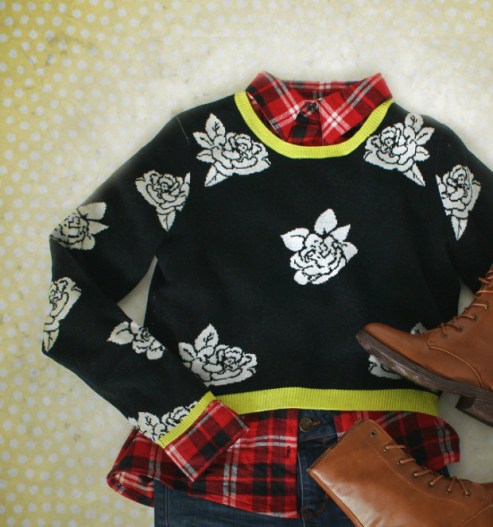
Plaid On The Back Flannel Shirt, Floral Necessity Cropped Sweater, Show Off Distressed SkinnyJeans, Get U Intro Trouble Lace-Up Combat Boots
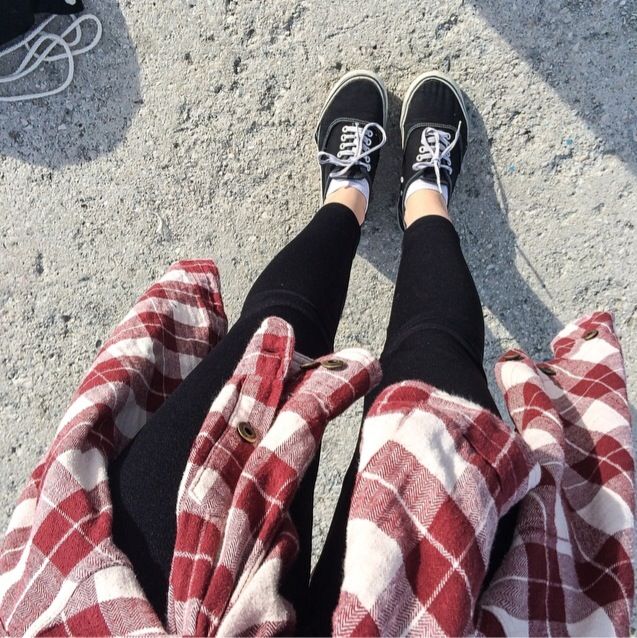
2. Minimize the surface area – Take the plaid potency down a notch by demoting bumping it to more of an accessory. Don’t worry, it won’t be offended. The flannel knows how great it looks tied around your waist. And it loves peeking out of sweaters as a Clueless-worthy collar and cuffs. So don’t think you can’t wear it inside or underneath other pieces. Sometimes it needs to be a supporting actor.
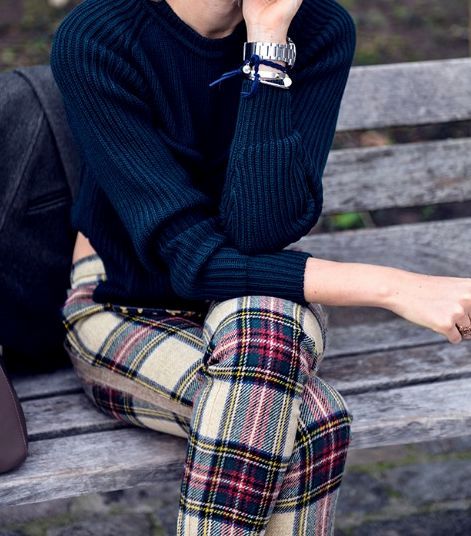
3. Mix it with a contrasting pattern – You can also dial flannel down a bit by matching it with a competitive but cooperative print. Floral, for one, would be great, as it’s a starkly different motif, providing the juxtaposition of its roundness against the lines of the plaid, its delicacy against the masculinity. Just play around with color and scale until you find the perfect balance.
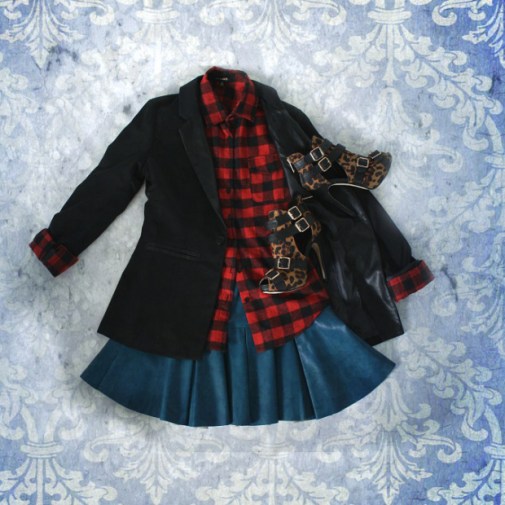
Lumberjane Buffalo Flannel Shirt, Faux Leather Mixed Media Blazer, City Slicker Pleated Skirt, Badass Babe Caged Peep-Toe Heels
4. Choose a feminine cut in a different material – Your Brawny Man button-up won’t evoke a woodsman vibe if it has the markings of women’s clothing. For instance, if it’s fitted. Or if it has an empire waist for a babydoll look, smocking in the back for a more defined waist. You might also want to try the print in a non-flannel fabric, like a lightweight chiffon or a textured crepe.
5. Change the silhouette – But if you’re set on borrowing your carpenter boyfriend’s plaid shirt, there are plenty of no-sew ways to alter it a little bit. Try rolling up those too-long sleeves and tying it up for a saucy Daisy Duke look. Wear it as a shirt-dress by cinching it with a belt. Or get super creative a la our convertible maxi dress with a tied strapless look. Who knew, right?
6. Pair it with girlier pieces – As an alternative you can just wear the shirt with a bottom that sports a flirty or womanly silhouette. You can’t go wrong with a skater skirt, for example, or its more demure older sister, the A-line. And pile on additional femme contrast with accessories. Ladylike faux pearls, schoolgirl knee-high socks, a glam lace headband, sleek and sexy stilettos…
7. Skip suggestive accessories – Be careful, though. The plaid shirt is so iconic of the professions we mentioned before that certain finishing touches can have you veering into costumey territory. Like you probably shouldn’t top your plaid outfit off with a big ol’ cowboy hat. We would stay away from cowgirl boots too. Also overalls and trapper hats. And definitely, definitely leave that axe at home.
Sara Dal Monte
Follow me on FB.


Sara Dal Monte
Follow me on FB.



Sara Dal Monte
Follow me on FB.

More than a fashion trend, Vans has maintained double-digit growth for 19 consecutive quarters.
Speaks to Kevin Bailey, president of the action sports division of VF Corporation, which owns Vans, to understand the key components of the company’s strategy
LOS ANGELES, United States — “Vans was a brand that was run very emotionally,” said Kevin Bailey, president of the action sports division of VF Corporation, which owns Vans, a company with almost 50 years of heritage, as well as associations with Z-Boys Tony Alva, Jay Adams and Stacy Peralta, who created modern skateboarding in the early 1970s. “I think emotion is capable of sustaining a brand for a period of time,” continued Bailey, who previously spent time at Nike, American Eagle and Lucky Brand. “But with global growth ahead of us, if we want to reach beyond the confines of being a fairly regionally-driven brand, a Southern California brand, we really needed to understand our consumer better. Instead of being purely emotional and right-brain-driven, we had to add the left brain and get smart about it.”
Getting smart about it has led to impressive results. From 2008 to 2013, Vans grew revenues from $750 million to $1.7 billion. The second quarter of 2014 marked the company’s 19th consecutive quarter of double-digit growth. And the brand says it’s on track to reach its target of $2.9 billion in revenue by 2017. But Bailey — who returned to Vans in 2009, after a two-year absence — is already thinking beyond 2017.
“We made the decision years ago of understanding the importance of not grading ourselves against the best action sports companies, but grading ourselves against the best companies period. I think that was the biggest change we made: to behave like companies that were much bigger than us in terms of business processes and discipline.”
REVAMPED BRAND STRATEGY
In 2004, Vans was acquired by VF Corporation, which owns Wrangler, The North Face, Timberland, Lee, Eastpak and others. The acquisition “took the heat off the company,” according to Bailey. Importantly, it also funded an 18-month survey of 26,000 consumers in 12 countries. “As we were staring to bump up against some larger brands entering our space — the traditional athletic brands in particular, who spend a lot of time and money on consumer insight and strategy development — we realised we really needed to upgrade the way we thought about the business,” explained Bailey. “We started with a qualitative study to understand consumer perceptions and consumer needs, then jumped into a quantitative study to understand their purchasing behaviour and their activity behaviour, within our space, to make sure we fully understood our consumers on a global scale.”
Following the survey, Vans defined a new target customer — “Expressive Creators” — and evolved its brand strategy. “When I was at the brand previously, we would say our pillars were art, music and street culture and they rested on a foundation that was action sports. When I returned to the brand [after Lucky Brand] I said I would like to turn this a little and think about art, music and action sports sitting on street culture, which is interchangeable with street fashion,” said Bailey. “I got some pushback inside the brand [from those who said] that I was changing the DNA and I said, ‘I don’t really think so, I am just asking you to turn it on its side.’ We have become iconic as a culture brand and, previously, I think we were trying to prevent this from being true; brands can be scared of getting big. But I believe we can open up the valve of who we are within our greater universe, without abandoning our heritage. When I was at Nike I learned not to be afraid of big goals. Not to be afraid of what the potential of a brand might be. Nike is very good at remaining aspirational while growing commercially by understanding the importance of keeping the brand sacred. Nike stands for athletic performance; we stand for creative expression.”
RESISTING THE FASHION BANDWAGON
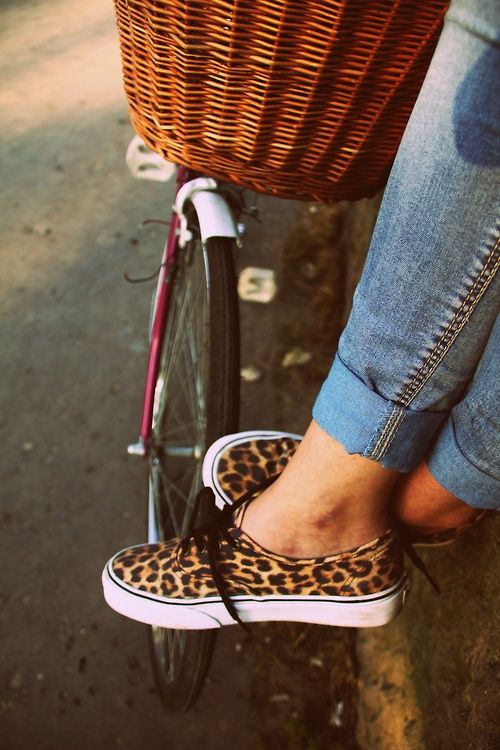
In 2012, Céline designer Phoebe Philo reignited high fashion’s fascination with Vans’ iconic slip-on when she began wearing the original shoes and created a Céline version made with python and ponyskin. Since then, luxury brands such as Saint Laurent and Givenchy have released slip-on footwear in the same mould. “The style started as the ultimate representation of West Coast skate and surf culture, then morphed into a mainstream casual sneaker option. But like everything else in fashion, its popularity has been cyclical. Most recently, I would credit its return to the forefront of fashion to when Céline did its take on the iconic silhouette — stacked sole and luxury treatment — seasons ago,” explained Eugene Tong, style director of Details.
But while the attention has rocketed Vans into the consciousness (and wardrobes) of industry insiders, the company has been very careful to resist the urge to react to fashion’s ebb and flow. “We all know there is a slip-on that has come into trend thanks to the runway and everyone is doing it at the high end and I would envisage that by next year Spring/Summer it will be more mass driven,” said Bailey. “But Vans is not going to overly saturate that; we are going to simply state that we are the original — that we are the iconic item and let consumers choose. We want to understand trends, but not manipulate them to the point where we build a bubble and create a fad.”
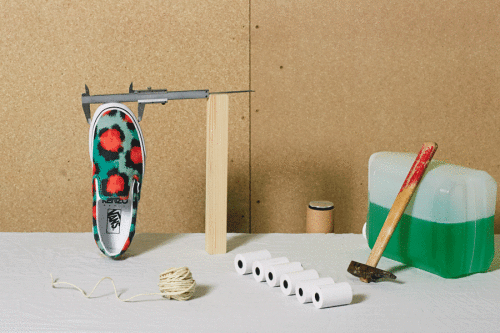
“We say no to things more often than we say yes — that includes distribution offers, that includes collaborations. I would even call out price elasticity,” continued Bailey. “We have done some collaborations, like Kenzo, that we know we could put out there at a much higher suggested retail price. But it’s very important to us that pricing stays reasonable. At the end of the day, it’s a canvas, vulcanised shoe; it is important that we don’t do anything that is not authentic to the Vans brand, which was always about making quality, affordable shoes.”
LOCALISATION AND DIGITAL
In order to better tap global growth, Vans has empowered regional managers to develop their own approaches. “This trajectory that we have had in the last 19 quarters has been because of the team’s recognition of the potential; asking how we achieve that and really freeing up the general managers to attack their own landscapes,” said Bailey. “The only thing [headquarters] really gets involved with is making sure that design remains consistent and the strategies we embrace fit within the brand.” Importantly, the company has also been “levelling the playing field” between the four regions in which it operates: Asia, Europe, North America and South America.
A focus on digital has also been critical to the company’s success. “Our target age group moves at digital speed. We believe the digital interactive space is absolutely critical and we have spent a lot of time building assets there, especially unique content through our ‘Off The Wall’ digital TV station. Our growth in social media is from a genuine two-way conversation. If people comment, they get a reply from us directly on a global scale. And we recently rolled out a new digital site to merge content and commerce and tell our brand story, as well as allow commerce to occur in a more seamless way. This is a global platform to which local regional marketing teams can apply regionalised stories.”
Thus far, the approach has been working and there is significant room for future growth. The global footwear market is set to reach $211.5 billion in 2018 and recontextualising Vans beyond action sports has positioned the company to tap a much larger percentage of this pie. “We know that we are still are small relative to the potential of the sector. If we continue to be able to transcend [action sports] and really consider what the broader opportunities are, the number could be massive.”
“We are still under-distributed — even in the US — and just taking that into consideration, we don’t see an end to our growth. All four regions have broad goals and all of them are targeting greater than good double-digit growth. We do believe this brand has a very broad and long runway ahead of us if we continue to activate it. Vans is this beautiful little gem with all these facets to it. Particularly as we expand globally, we have to be able to turn the right side of the gem to face the right consumer.”
Sara Dal Monte
Seguimi su FB.

