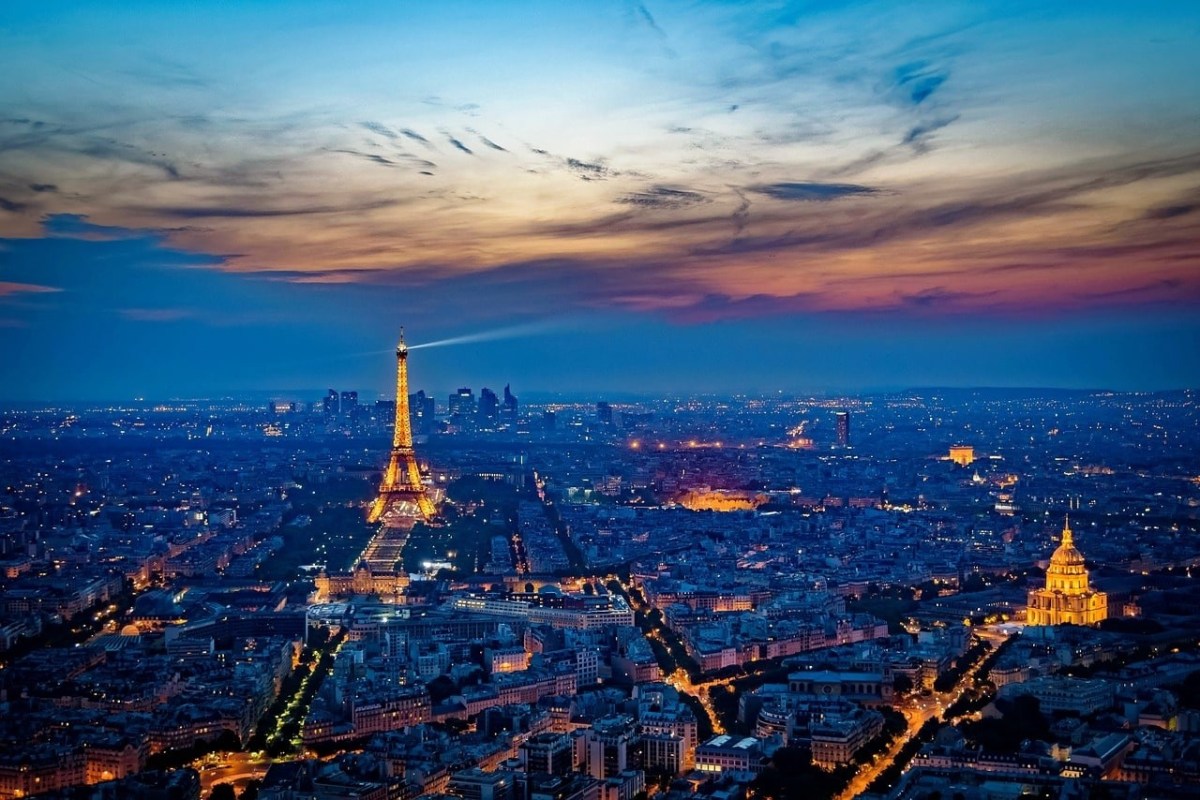
PARIS FASHION WEEK: MY IMPRESSIONS
Paris wrapped on October 7. Eight days of runways, presentations, showrooms, cocktails, and nonstop rumor mills. The calendar was that of the grand seasons: women’s prêt-à-porter Spring/Summer 2026, from September 29 to October 7, with a dense cluster of debuts and course corrections that—on paper—should have jump-started the creative narrative.
Outside the tents, the real world isn’t on pause. We’re in a hard transition: even the “fashion customer” now weighs a purchase against other priorities. Desire doesn’t vanish—it gets selective. Faced with this, I saw two opposite, often irreconcilable reactions: on one side, the obsessive return to archives as a security blanket; on the other, the gamble of “anything, as long as they talk about us,” which produces noisy, sometimes gratuitous objects. I’m not pointing to the usual aprons or meme-ready oddities: it’s the underlying confusion that stings—the inability to choose one idea and carry it through without hiding in déjà vu.
The paradox is that the machine still works. Paris remains the week that concentrates the most attention and media value across fashion month. The circus still draws, massively.
The spillover is huge as well. Events tied to PFW generate hundreds of millions of euros every year for the city—and surpass a billion if you include fairs and related activities. Hotels, restaurants, transport, production studios, artisans, PR, content creators: an ecosystem that lives off the Paris showcase.
Here’s the crux: a gap has opened between the strength of the system and the audience’s emotional reality. Many maisons walked collections rich in good intentions and short on courage: reworked archives, nested citations, hypertrophic styling as a stand-in for a clear idea. Where there were directional changes—and directors—I sensed respect for the DNA but also a committee-level caution: homage the founder, sanitize the codes, reduce risk. Meanwhile, life asks for clothes that survive the day, not just the feed.
This isn’t a crusade against spectacle. Fashion can be language and theater, and Paris remains the most powerful stage. But “making noise” no longer cuts it: we need vision that translates into use, not disguise; rigorous editing, not accumulation; that quiet quality that makes you want to wear things, not just photograph them.
What do I take home from this PFW? The confirmation that the audience is ahead: buying less, buying better, and asking for meaning. And the hope that creative directors reclaim the healthy risk of making a choice, instead of the sterile risk of excess. The market forgives a misstep; it does not forgive vagueness.
Paris stays queen of the calendar and will remain so as long as it can tell a present that isn’t afraid of the future. Next season I want fewer archive fishing trips and more aesthetic responsibility: not the umpteenth “archive remix,” but a new idea with the courage to become everyday. That’s where fashion starts to matter again.
Context note. Womenswear SS26 took place in Paris from September 29 to October 7, 2025; it was a season thick with creative-direction debuts and strategic repositioning, reaffirming PFW’s centrality across the global month.
Postscript for industry folks. If the media engine keeps growing and the spillover stays massive, there’s room for quality. Fill it with wearable ideas, not noise. Otherwise, the gap between runway and wardrobe widens—and the audience simply stops crossing it.
CLICK TO ENLARGE — VIEW DETAILS




 SARA DAL MONTE